The news is not that GTA VI looks expensive. That part was settled within minutes. The hardware crowd is fighting over a nastier question: when all that traffic, lighting, physics and pedestrian simulation is running at once, how many frames does the console have left to spend?
What do we actually know?
Rockstar says the Extended Look was captured entirely from in-game footage on PlayStation 5. After visiting Rockstar North, Brazilian creator Davy Jones reported that the PS5, PS5 Pro and Xbox Series X|S builds he saw were currently running at 30 FPS with a counter visible. When asked about 60 FPS, Rob Nelson did not promise a mode and said the technical team would need to give the proper answer.
That distinction matters. A development build running at 30 FPS is not the same statement as “the launch game is permanently locked to 30.” But there is also no official basis for treating 60 FPS as guaranteed. Both extremes are trying to finish Rockstar’s spec sheet for it.
Why the number is not simple
GTA VI is attempting to simulate a dense city, traffic, pedestrian behavior, vehicle physics and advanced lighting at the same time. CPU limits can matter as much as resolution, which means PS5 Pro improvements do not automatically equal double the frame rate.
The clean answer today: plan around a conservative 30 FPS expectation, but do not write the final verdict in permanent ink. If Rockstar announces a performance mode later, this is exactly the kind of story that should change with the evidence.
What 30 FPS in a studio build can and cannot prove
A frame counter seen during development is useful evidence because it tells us the target the demonstrated build was actually meeting at that moment. It does not tell us whether Rockstar has finished optimization, whether multiple rendering modes exist, or whether every console configuration uses identical settings. Studios routinely tune resolution, ray-tracing features, crowd density and other expensive systems late in development. The honest conclusion is therefore narrower than either side of the argument wants: 30 FPS is a credible current baseline, while a final 60 FPS mode remains unannounced rather than impossible.
Why PS5 Pro does not make the answer automatic
Extra GPU headroom is most useful when graphics are the limiting factor. A dense open world can also be limited by CPU work: traffic simulation, pedestrians, physics, animation, streaming and mission logic all need time every frame. If one of those systems becomes the bottleneck, lowering image resolution does not magically double the frame rate. That is why a more powerful console can deliver cleaner reconstruction, higher resolution or steadier performance without guaranteeing a 60 FPS mode.
Capture quality is not the same thing as retail performance
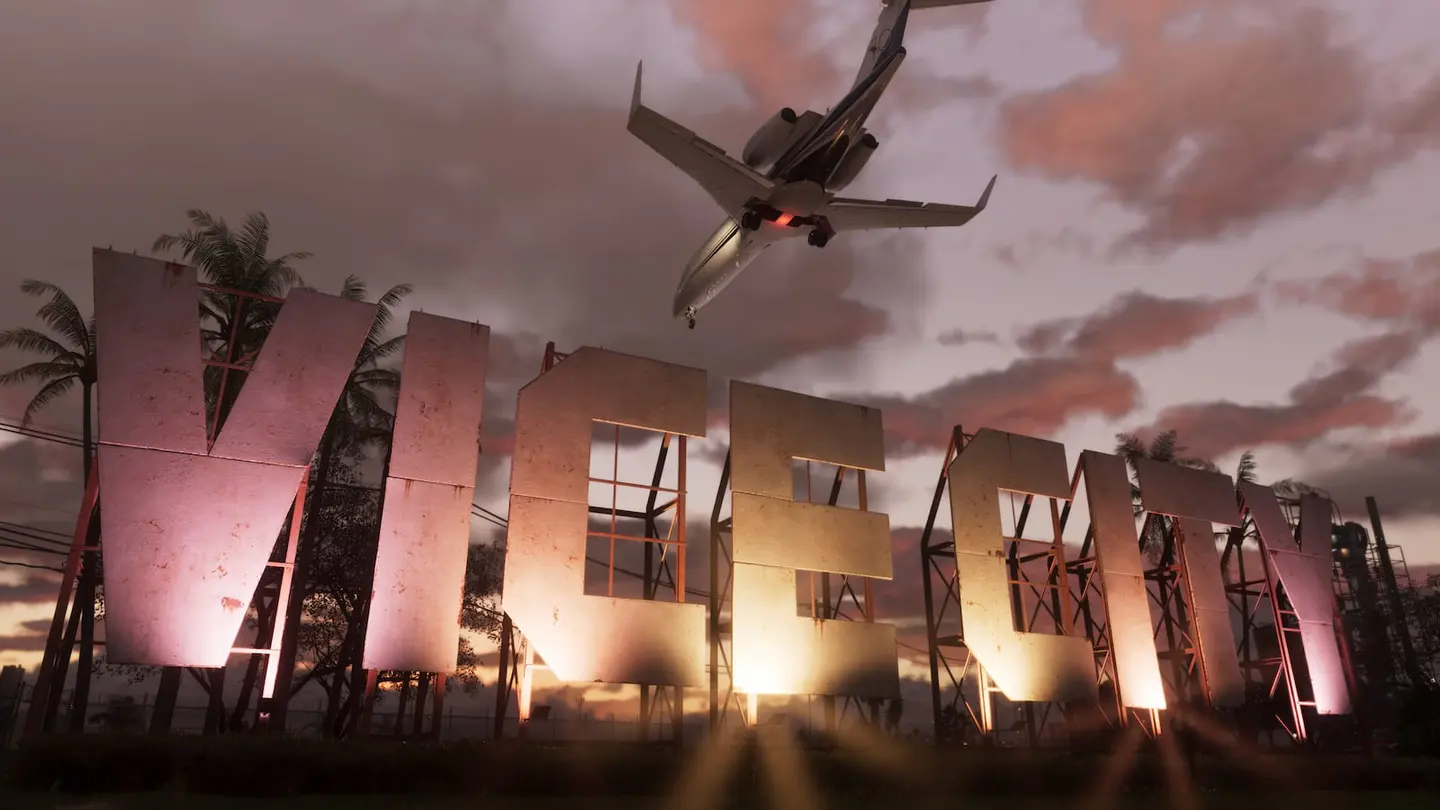
Rockstar saying the Extended Look was captured from PS5 is valuable because it rules out the easy assumption that every scene was rendered on an unspecified high-end PC. But edited promotional footage can still select stable takes and does not expose worst-case performance during long free-roam sessions. A launch analysis needs sustained measurements across traffic, combat, interiors, weather and heavy traversal before anyone can describe frame-rate behavior with confidence.
What players should watch for next
The evidence that would settle the question is straightforward: a Rockstar technical note, a console menu showing graphics modes, an official preview that names frame-rate targets, or independent testing of the release build. Until one of those exists, performance-mode claims should be labeled as expectations rather than specs. That standard protects readers from both pessimistic certainty and wishful certainty.
The practical buying takeaway
Nobody needs to decide today that GTA VI is either unacceptable at 30 FPS or guaranteed to become a 60 FPS showcase. If frame rate is a purchase requirement, wait for the final mode list and measured launch coverage. If the game itself matters more than the number, the current evidence says Rockstar is prioritizing a very dense simulation and visual presentation on current-generation consoles. Those are different priorities, and the final tradeoff belongs to the shipping build.
One more distinction: target, cap and measured result
Those three phrases are often mixed together, but they are not interchangeable. A developer can target 30 FPS, a build can be capped at 30 FPS for testing, and a captured sequence can merely measure close to 30 FPS under a particular workload. Without Rockstar naming the final target or exposing retail graphics modes, we should not convert one observation into all three claims. Keeping that vocabulary precise is especially important before launch, when optimization, mode selection and certification can still change the final performance profile.
Post-show performance source update
Rockstar directly confirms one important technical fact about the Extended Look: the footage was captured in-game on PlayStation 5. Digital Foundry’s post-show technical analysis treats the presentation as a 30 FPS showcase, strengthening the conservative reading of current console performance without turning it into a final Rockstar mode list.
As of September 3, Rockstar has not published a retail graphics-mode specification that guarantees or rules out a performance mode. The precise conclusion therefore remains: 30 FPS is the strongest current baseline around the demonstrated build, while a final 60 FPS mode is unconfirmed—not disproven and not promised.
Sources reviewed
Primary material leads when it exists. Independent reporting and analysis are listed separately so you can inspect the evidence chain instead of trusting a single link.