The latest GTA VI leak story is no longer only about unauthorized clips moving from account to account. It has become a legal investigation. Reporting from The Verge says Take-Two Interactive used federal court process to seek information from Microsoft and Discord that could help identify people connected to the distribution of allegedly infringing GTA VI material. That is a major shift in the story: copyright takedowns can remove files, but subpoenas are designed to help discover who may be behind the accounts that distributed them.
The requests were filed on August 20
According to the reported court documents, the subpoenas were filed on August 20 and seek records from Microsoft and Discord. The companies were given a September 4 response date. The legal mechanism is important to understand. A subpoena is an evidence-gathering tool. It can require a company to produce specified records when a court has authorized the request, but it is not a criminal conviction, a civil judgment or proof that any particular user committed the conduct alleged by the copyright holder.
Take-Two is trying to move from handles to identities
Online leak campaigns often operate through usernames, temporary accounts, chat servers and repost networks. Those public identifiers are not always enough to determine who controls them. Service providers may hold registration details, account histories, login records or other information that can help connect a public account with a real person. The goal of this stage of the investigation is therefore not to obtain another copy of the leaked footage. Take-Two is trying to reconstruct the chain behind its distribution.
Microsoft and Discord are information holders, not the accused parties
The presence of Microsoft and Discord in a subpoena headline can sound more dramatic than the underlying process. The companies are not being accused of leaking GTA VI simply because they received legal requests. They operate services that may contain relevant account or communication records. The same distinction applies whenever a platform is served in an intellectual-property investigation: the platform can be a source of evidence without being the alleged infringer.
Microsoft says it is working with Take-Two
The Verge reported that Microsoft was cooperating with Take-Two and Rockstar to protect their intellectual property. That response reinforces the fact that this is being treated as a serious rights-enforcement matter rather than ordinary social-media rumor. It still does not tell us who the leaker is, how the material was originally obtained or whether every account that reposted the files is connected to the original source. Those questions require evidence rather than inference.
The legal response does not confirm every gameplay claim attached to the leaks
This is one of the easiest mistakes to make. If Take-Two seeks copyright enforcement against a file, that can be strong evidence that protected company material is involved. It does not automatically validate the captions, theories or feature lists people attach to that file. A development clip can be old. A mechanic can change. A user can misidentify a location. An interface can be temporary. Copyright ownership and gameplay interpretation are different questions, and a responsible article has to keep them separate.

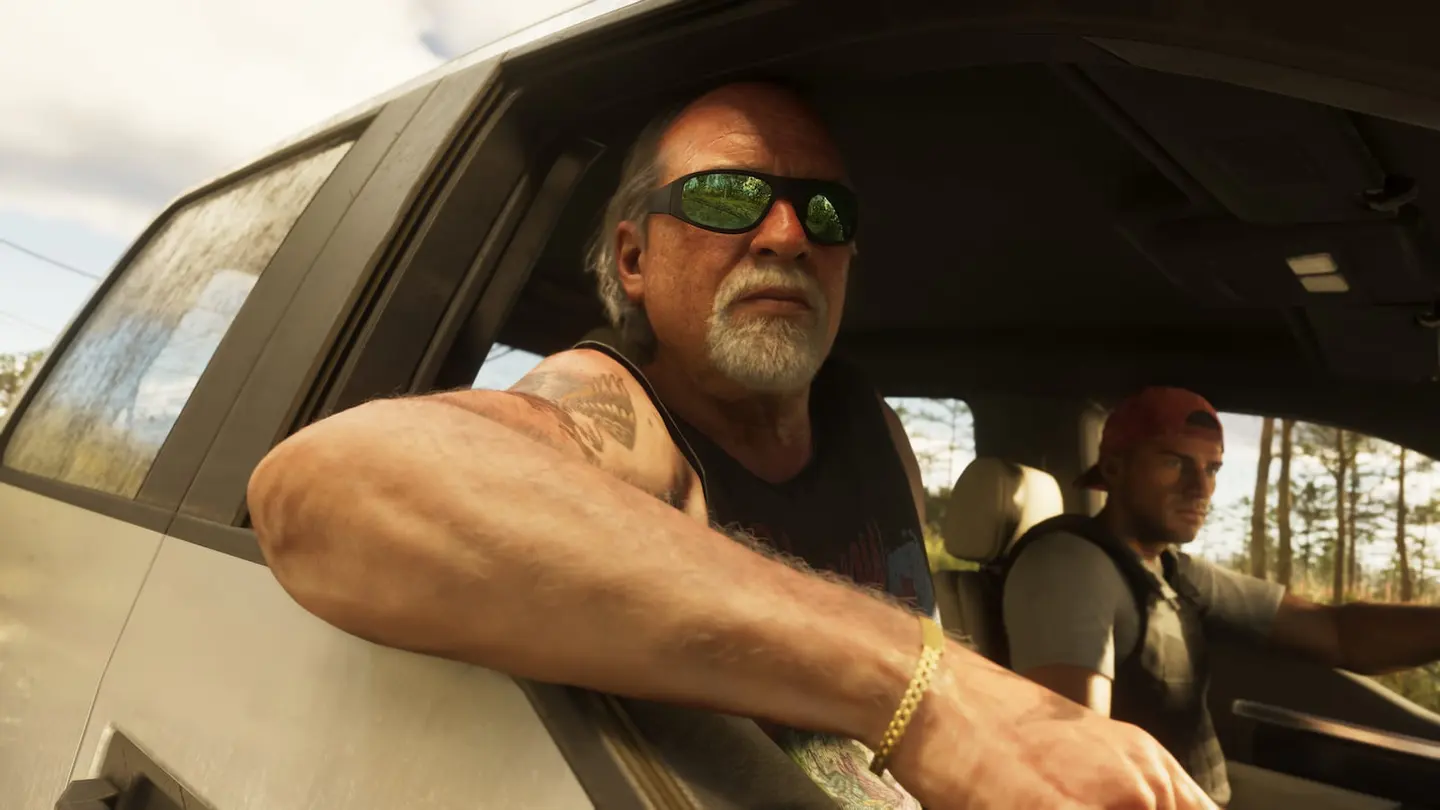
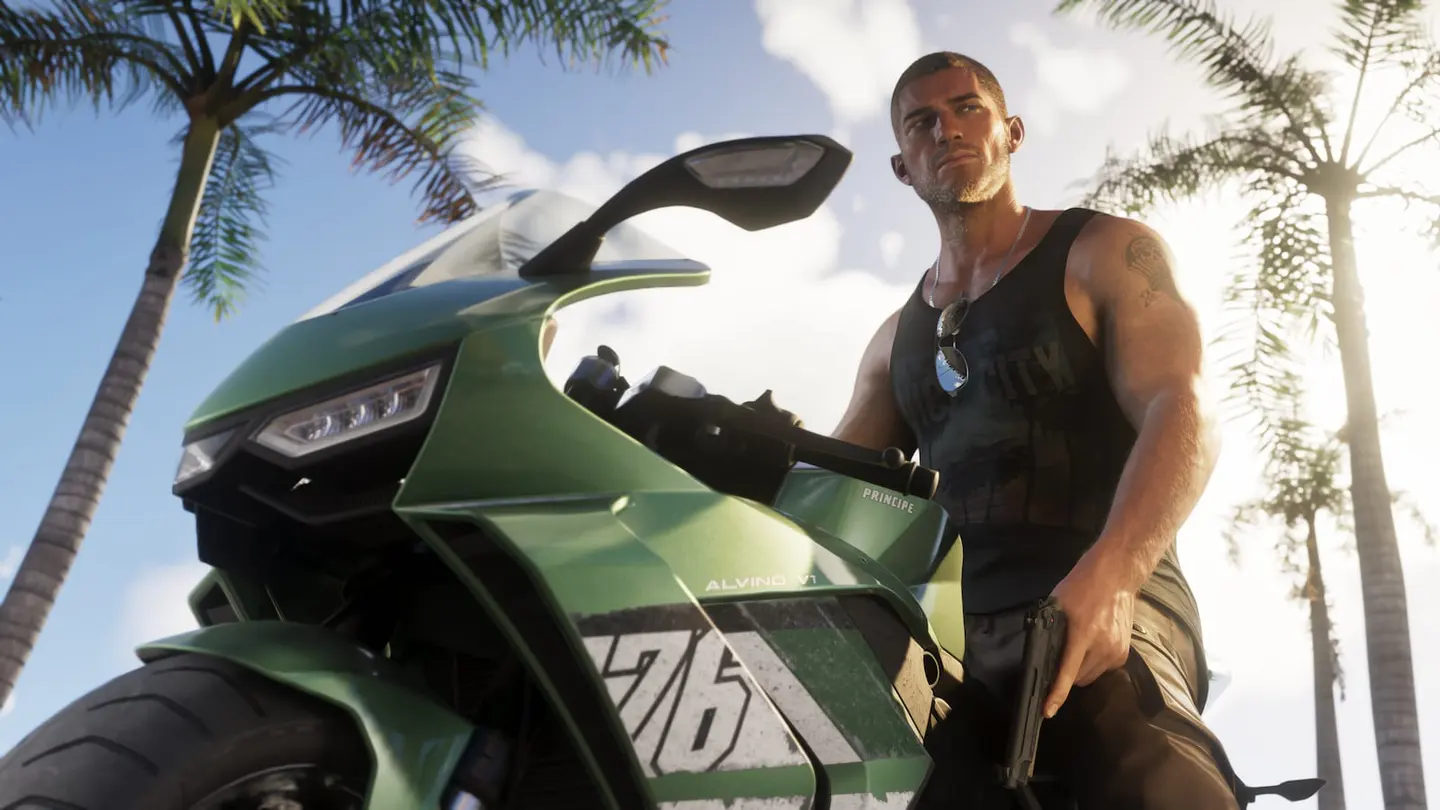
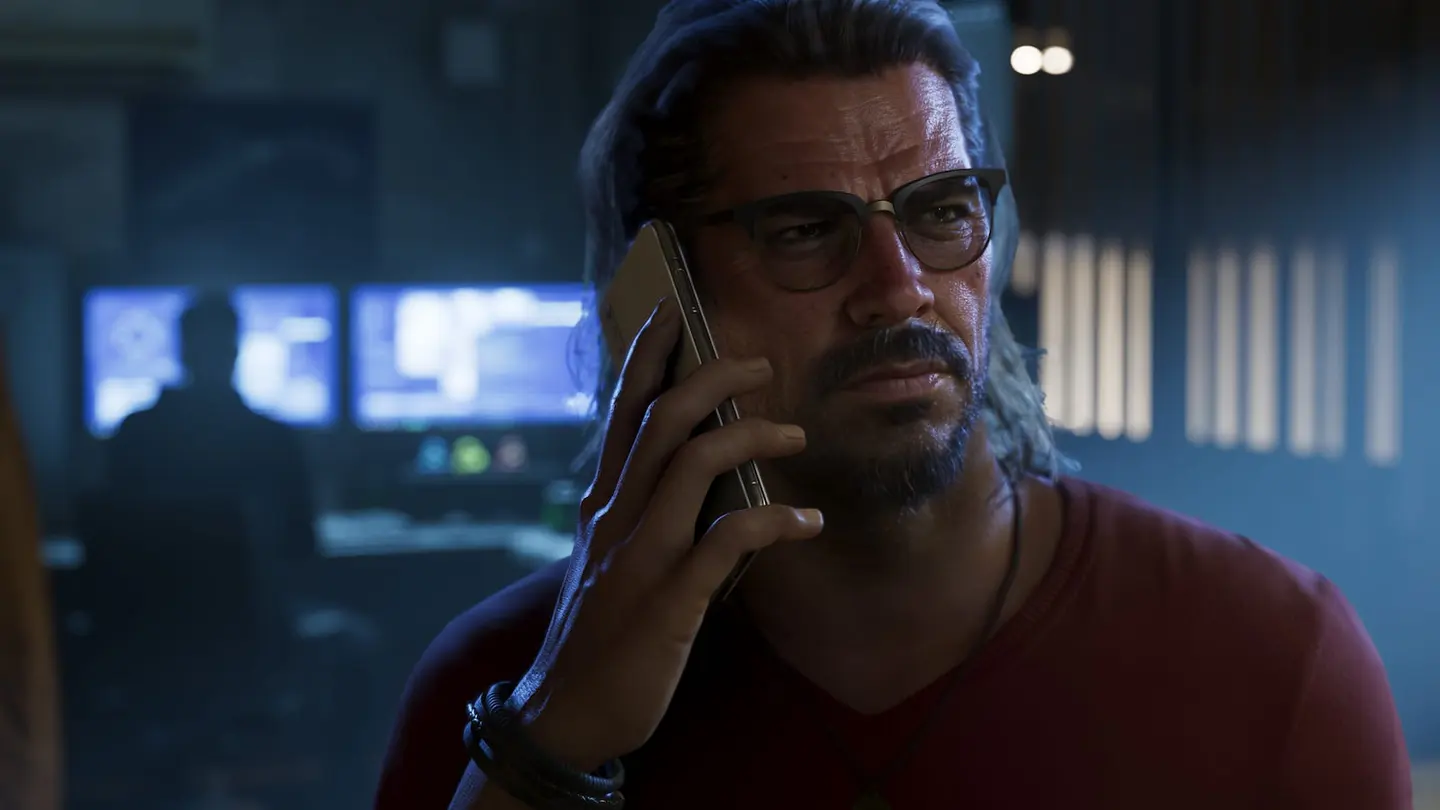
The legal case is reportable without redistributing the material that triggered it. We can explain what the filings are for, what the reporting says and what the investigation may do next while using official Rockstar imagery. That approach also keeps the article useful after individual reuploads disappear. A page built around a stolen video dies when the video is removed; a page built around the legal and editorial context remains readable.
The timing raises the stakes
The original legal action landed before Rockstar’s August 27 Extended Look. The showcase is now public and serves as the cleaner current-game benchmark, but it did not answer the legal questions: who obtained the unauthorized material, which accounts were involved, or what records service providers may ultimately produce. Gameplay verification and legal attribution remain separate evidence problems.
The investigation kept evolving after the showcase
More recent reporting says Take-Two described the leak investigation as “rapidly evolving” and pursued a narrower, more targeted Discord request while dropping an earlier Google/YouTube request that was no longer needed. The September 4 date attached to the original Microsoft and Discord demands is a procedural production deadline, not proof that records were publicly produced or that the leaker was identified. A confirmed breakthrough needs a filing, platform statement or reputable report that establishes what happened next.
What would count as a real new development
A platform response, a filing showing records were produced, a court document naming an identified person or a direct statement from Take-Two would materially move the case forward. Another repost of the same leaked clip would not. That distinction is how we keep one evolving story from turning into twenty shallow updates that say almost nothing new.
Where the legal story stands on September 4
The most recent public reporting we found still describes an active investigation rather than a resolved identity. Take-Two is using court-backed information requests and refining the scope as new leads emerge. That is materially different from a takedown campaign, but it is still an investigation: the documents support the effort to identify alleged infringers, not a verdict and not a confirmation of every gameplay interpretation attached to the leaked files.
Sources reviewed
Primary material leads when it exists. Independent reporting and analysis are listed separately so you can inspect the evidence chain instead of trusting a single link.