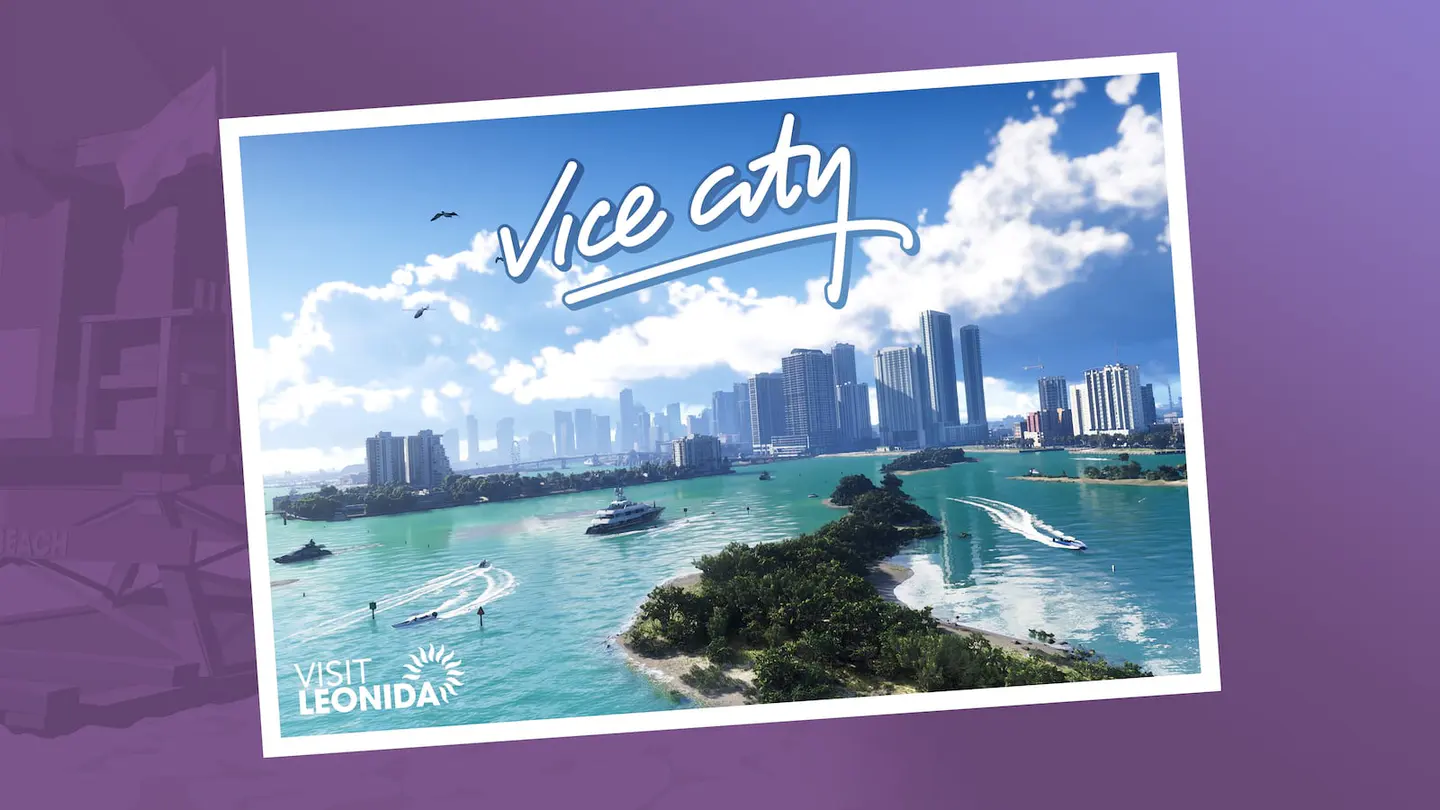
The full file
Vice City is the face on the poster, the name that carries twenty years of memory, and the easiest part of GTA VI to think you already understand. Rockstar’s new version immediately looks familiar — beaches, neon, palm trees, highways and towers — but the resemblance is only the first layer. This Vice City belongs to a modern state called Leonida, a place saturated with phones, viral moments, wealth, tourism, crime and the strange everyday theater of Florida life.
Rockstar is not rebuilding the old city as a museum
The return to Vice City is not presented as nostalgia alone. Trailer 1 makes that clear within seconds. The city is full of modern social-media behavior, current fashion, contemporary vehicles and people turning ordinary chaos into content. Rockstar is using the old name to revisit the idea of Vice City under completely different cultural conditions.
The beach is still the fastest way to recognize it
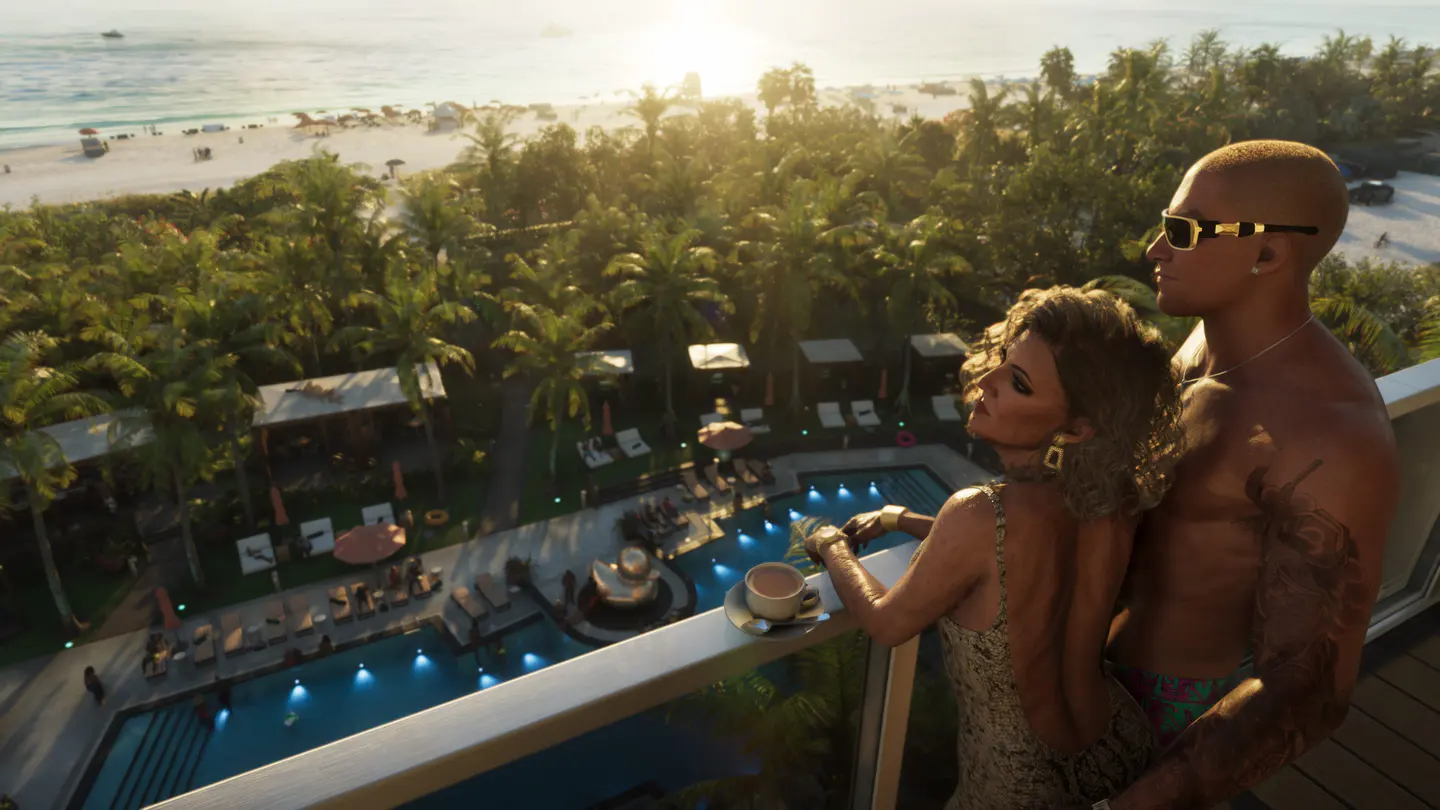
Wide sand, dense crowds, water, towers and palm-lined streets give the city an immediate postcard identity. Rockstar knows exactly how powerful that visual memory is. But the official imagery also moves quickly away from the postcard into highways, neighborhoods, nightlife spaces and less glamorous corners. Vice City is being sold as a functioning urban environment, not one strip of neon.
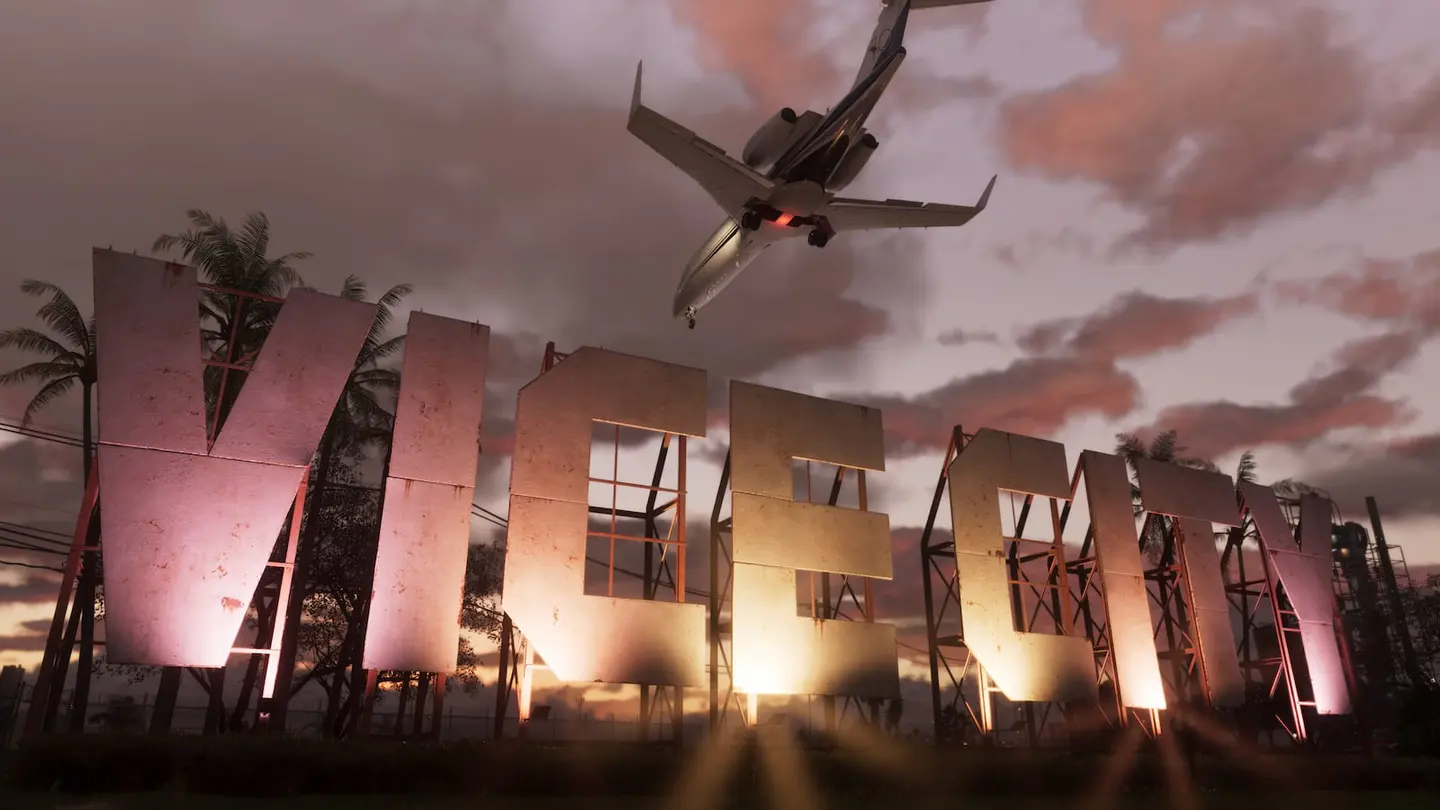
Daylight changes the city as much as neon does
The classic Vice City identity is often remembered at night, but GTA VI spends a lot of visual energy on brutal daylight: hot streets, crowded beaches, reflective glass and the washed brightness of coastal Florida. When night arrives, the city transforms into clubs, signs, headlights and wet-looking streets. The contrast may become one of the strongest parts of simply moving through the map.
Nightlife is not decoration — it is part of the social structure
Boobie Ike’s club, the music network around Only Raw Records and the presence of characters such as Real Dimez show that entertainment is woven into the cast. Bars and clubs can become meeting places, businesses, mission spaces and cultural landmarks. Rockstar has not told us how much of the nightlife is freely interactive, but it is clearly more than background color.
Vice City is the urban center of something much larger
This is perhaps the biggest difference from how many people talk about the map. Rockstar has officially named the Leonida Keys, Grassrivers, Port Gellhorn, Ambrosia and Mount Kalaga National Park. That means Vice City should be read as the center of gravity rather than the boundary of the world. Highways leave it for a reason.
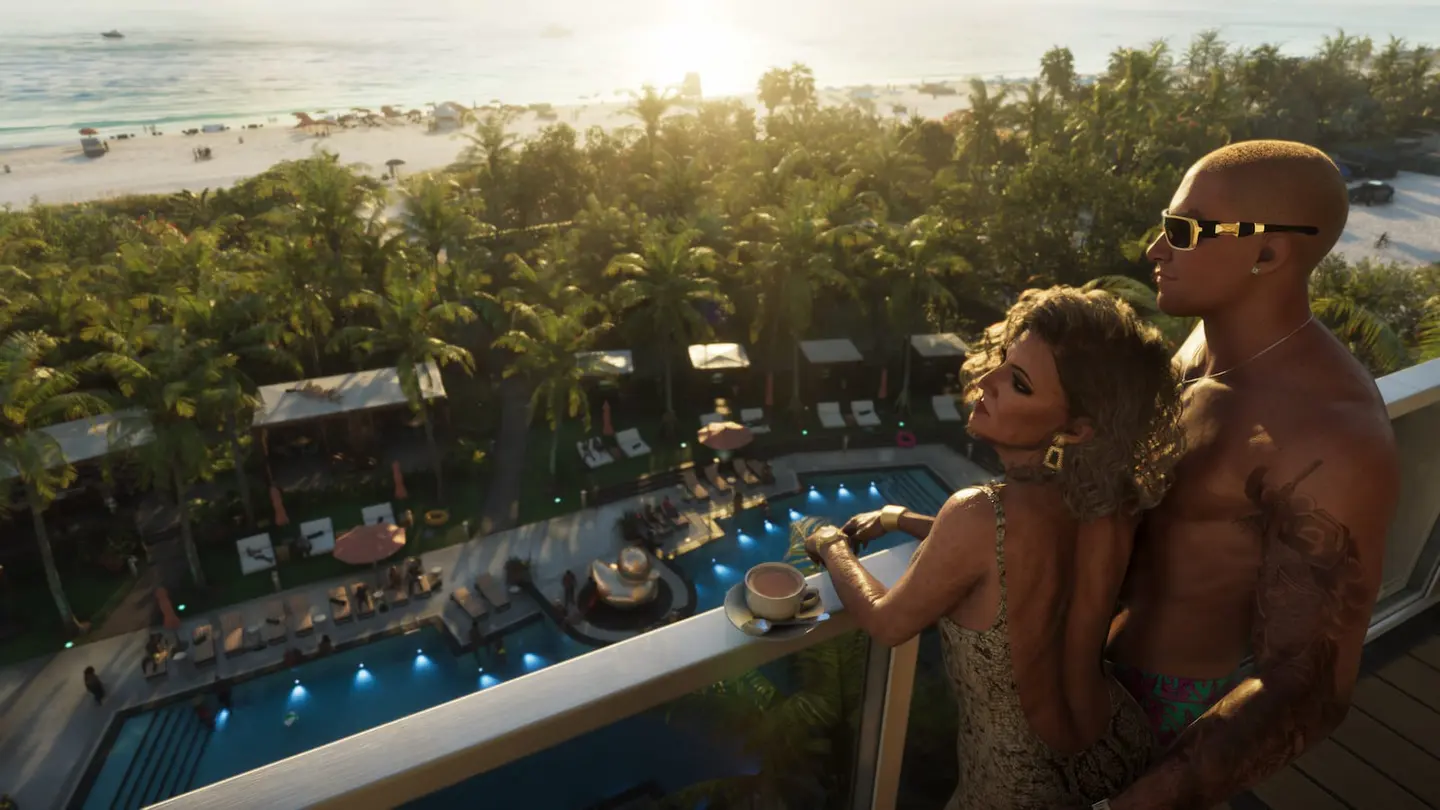
The surrounding state can make the city feel bigger
A great open-world city gains identity from contrast. If the player spends time in the Keys, swamps or mountain roads, returning to towers and traffic feels more dramatic. The city does not need to occupy the majority of the map to dominate the memory of the game. It needs to feel dense enough that coming back always changes the pace.
Social media is part of how Vice City sees itself
Trailer 1 repeatedly frames local behavior through vertical-video style posts and phone cameras. That choice suggests Rockstar is interested in how a modern city becomes a performance. People do strange things because someone is watching. A public event can become a clip before it becomes a police report. Vice City is both a place and a machine for turning behavior into spectacle.
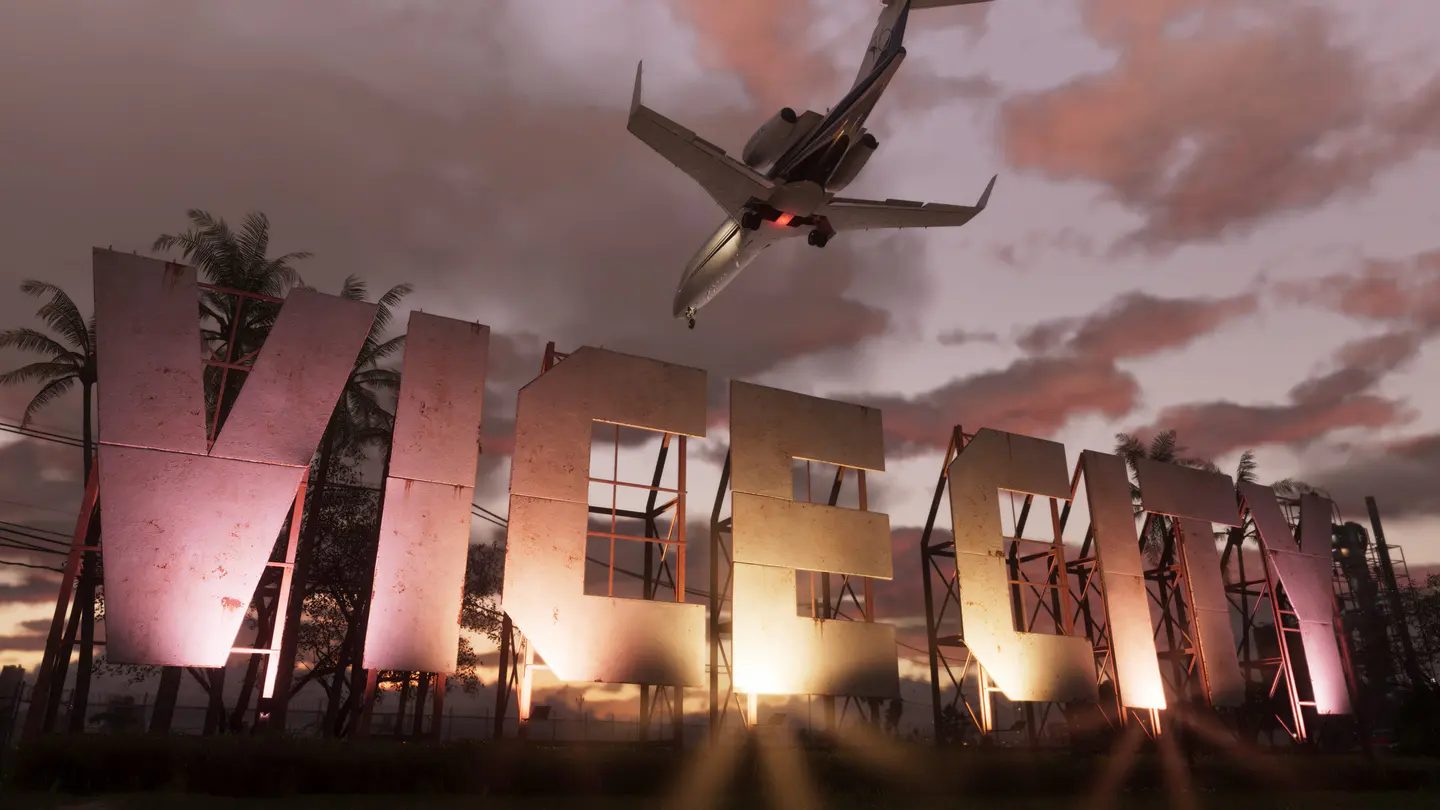
We know the city is dense visually, not how many doors open
Official footage shows homes, stores, motels, clubs, businesses and many interiors. That creates the impression of a city with depth behind the facades. The actual number of enterable buildings is still unconfirmed. Rockstar has not published an “X percent interiors” figure, and any exact count circulating before release should be treated cautiously.
The final street map is still unpublished
Community mapping projects have reconstructed large parts of the city by comparing official media. Their work can be extraordinarily detailed, but Rockstar has not released a final street-by-street map with exact boundaries. Road placement, district names and scale estimates should remain labeled as community analysis until the game or an official map settles them.
Vice City will be judged by behavior, not only beauty
We already know Rockstar can make the city look incredible. The harder question is what happens when the player disrupts it. Do crowds react naturally? Do police searches feel local to the block? Are businesses persistent? Does traffic behave differently across districts? Does nightlife transform specific areas after dark? Those systems will decide whether Vice City feels alive after the first hundred screenshots.
Why the Extended Look matters for the city
A sustained gameplay sequence can finally reveal rhythm: walking speed, street density, traffic flow, interaction prompts and how quickly the player can move from an interior to a vehicle to a police encounter. Vice City does not need another beauty shot. It needs a few minutes where Rockstar lets the city breathe without cutting away.
Vice City is the anchor, not the whole map
Vice City is officially the primary urban center of GTA VI, but it is only one part of Leonida. Rockstar has confirmed its beaches, towers, nightlife, highways and modern social-media culture through extensive official material. The exact map, interior count and systemic depth remain open. The city already looks unforgettable. The next question is whether it behaves that way too.
Sources reviewed
Primary material leads when it exists. Independent reporting and analysis are listed separately so you can inspect the evidence chain instead of trusting a single link.